Being deeply loved by someone gives you strength.
While loving someone deeply gives you courage.
Lao Tzu
Editor’s Note: Above is a quote Eshrink found while doing research for this series of blog posts: The Way It Was (a glimpse into how he saw life growing up during The Depression and WWII). He said it might be his all time favorite quote so I decided to put it at the top of each post in this series as a reminder of the power of words and the power of love. Eshrink’s writing illustrates the power of both! In case you missed earlier posts in this series, I’ve provided links below.
The fourth installment of The Way It Was is about school days in the 1930s, winter, and the simple pleasures. ENJOY!
The Way It Was: Part 4
Anyone who grew up in those times will understand that if you had an older sibling you would never experience the feel or smell of new clothes. Thus, when I was sent off to my first day in school in my brother’s hand me downs, I was reassured by Mom with: “You’re clean anyway”. I have carried that phrase with me all my life and passed it on to Barb. In remembrance of Mom we have frequently used it when the kids complained about the way they were dressed.
School
My introduction to scholarly pursuits was particularly inauspicious. Having never been known for lightness afoot, it is not surprising that during the first recess of the first day at school I fell and scratched my knees in the cinders which covered the school yard. To make matters worse I cried long and loud which did not help me to gain the respect of my classmates. As a matter of fact, I heard one of the older kids taunt me by calling me a baby. Much to my surprise, my brother, the person who had spent my entire life teasing and punishing me, came to my rescue and held his handkerchief over my wound.
That entire first year is a blur, but I do remember being jealous of Jim Jones (not his real name, he might still be alive and I would not like to give him the satisfaction), for he stayed in the first row (for those of you who don’t know what that means, keep reading), and he was athletic. Grade school was much different in those days. A few years ago, I visited one of the kid’s elementary classroom and was amazed to see all those kids up running around the room, all seeming to be involved in different things. There were some working together at tables, it was noisy and the teacher was all over the place. It looked like a really good deal compared to my school days.
When I was in school in the 1930s, all of our desks were bolted to the floor in rows facing the blackboard. If one had something to say or a question to ask, he/she raised their hand, otherwise they remained mute. Requests for a trip to the rest room required that you raise 1 or 2 fingers in the air depending upon the need. Whispering or passing notes were considered capital offenses, which could result in a trip to the principal’s office. There was no hesitation about initiating corporal punishment for chronic offenders and cheating on exams was unforgivable. Unless called to do something in front of the class one could expect to sit at their desk until recess lunch or dismissal. Little wonder that there was always a wild celebration when school was let out. Seating was arranged to maximize competition for grades. The row of seats nearest the window was for the A students. I never made it past row 3 and that Jones kid was always sitting in the first seat in the first row looking so very smug.
Sometime in the thirties Dad was called back to work at the Mosaic Tile Co, and it seemed as if we were doing relatively well. We moved again to a house with an acre of ground and a small barn. Somehow Dad was able to acquire a milk cow which he pastured on a neighbor’s farm. We also had a few chickens and a couple of pigs. There was a large vegetable garden and room to plant enough corn to feed the pigs and chickens. We moved there when I was in the second grade and as the saying went in those days we were “living high on the hog”.
2nd Grade | Living High on the Hog
We lived only walking distance from another village consisting of a general store and a filling station. For my second grade I was enrolled in a one room school. There were six rows of kids, for six grades. My uncle was the teacher who seemed determined to emphasize that my brother and I would not get special treatment. It was definitely old school (pun intended) and my clearest memory is of hearing the bell toll announcing the start of the day and the tin cups each with a name written hanging on a wall which was standard equipment in order to get water from the hand pumped well. Fortunately, the well was strategically located at some distance from the male and female privies (the outdoor potties for the youngsters reading this).
One of my clearest memories of that year of one cold night is of riding home from the city in our model A Ford. I was in the backseat surrounded by what seemed to me at the time to be a truckload of groceries which had been purchased at the A & P store. My parents were conversing and Dad was complaining about the price of groceries. They had cost $12 which would not leave much to live on since he made $24 dollars a week (he worked 48 hours), and the monthly rent of $12 would be due in another week. Nevertheless, he continued wiring houses after work and on weekends (when his customers would allow him to violate the sabbath). We ate well, although I must admit that was largely due to Dad’s resourcefulness…I had never gone to bed hungry even in the worst of times.
3rd Grade | King of the Hill
The third grade was probably my greatest success in life. The one room school was closed and we were sent to a consolidated school a couple of miles away. We were introduced to school buses, which had allowed the latest innovations in education to proceed. It was back to a room for each grade, and I excelled largely because I became the teacher’s pet. My teacher was Miss Starkey. She was a middle-aged spinster who lived on the family farm with her bachelor brother. He was a music teacher who tried unsuccessfully to teach me to play the piano. He would be called “sissified” in those days but now his sexual orientation would probably be called into question. I excelled at sports even though when running I often tripped and fell due to my pigeon-toed stride It would not be an exaggeration to say that I was “king of the hill.” I must have thought I was quite intelligent for I liked to use big words when talking to adults.
My position as scholar of the year was solidified during a visit to Varner’s store. It was a vintage country store with horse collars hanging on the wall. It was a combination dry goods, hardware, clothing, and grocery store. Among the items I had been watching was the display of Levi jeans which were the hottest fashion item at Hopewell school. I saw my chance to score in that regard when Dad began showing my report card of all As to everyone in the store. In spite of my embarrassment, I would not let this opportunity pass. To my amazement when I hit him up for the Levi’s, he immediately shelled out the $1.69 and I had escaped from the curse of hand-me-downs, and rushed home to dispose of those sissy knickers that displayed my skinny legs. The lesson learned: scholarly pursuits do pay off.
The Simple Things (a brief digression)
A few minutes ago, I interrupted my writing of this tome to adjust the thermostat. We are now in the midst of an unusually severe cold wave which led me to think about our prior coping mechanisms. In general, our long-term memories are very forgiving in that those retained are more likely to be pleasant with the exception of extremely horrifying experiences which lie so near the surface that they may be relived as we see in cases of Post-Traumatic Stress Disorder. This phenomenon along with our yearnings for youth results in we old folks, with our penchant to reminisce, to ignore or not remember the negative aspects of the daily lives of our youth. With that in mind I have decided to digress from my own personal accounts of the “good old days” to focus on some of the less pleasant aspects of day to day living.
Winter
When I think of my winter childhood days there comes a flood of memories of sled riding, building snow men, snow ball fights, and school closings. There was the sense of absolute freedom in lying on one’s back in the snow and making snow angels. As I cranked the thermostat today, I remembered the down side of winter storms during that era. In the 1930s, central heating was considered a luxury and most homes continued to heat their homes with fireplaces or stoves. Where central heating existed, it was via hot air delivered through large sheet metal pipes as in Darrin McGavin’s character in A Christmas Story. For those without a central heat source, there was usually only one room where the cold could be managed. For those with indoor plumbing frozen pipes were an ever-present threat.
Heat
For most homes, there were only stoves or fireplaces. Later, most furnaces and fireplaces were converted to natural gas, but when I was a kid coal was really king. Those houses in which there were furnaces usually had a room reserved for coal in their basement. For others, coal was stored in a shed or in a backyard pile. This meant that to keep the fire going, one would make periodic trips outside to fill the coal bucket. It required a considerable amount of effort to keep the fire going, not only by feeding it the right amount of coal to keep it going without causing a chimney fire or melting the stove pipe (the pipe from the stove to the chimney), but to keep the fire smoldering through the night in order to avoid the task of gathering newspapers and kindling wood to restart it in the morning. It was mornings, by the way, which were the most adventurous. When bare feet hit the linoleum after Mom’s entreaty turned into an ominous command, there was a mad rush toward the living room with clothes in hand in order to dress near the stove. With a bedside glass of water frozen solid, there was no time to waste.
Sleep, by the way, was a good way to cope with the cold, but it required some preparation. With the onset of winter, sheets would be replaced by thin blanket sheets. Layers of comforters, quilts, and blankets gave a feeling of security, although the weight sometimes made it difficult to move. There were tricks to minimize the shock of crawling in bed before it warmed. Sometimes hot water bottles would be dispatched under the covers prior to entry, but my favorite was when Dad would lay a brick on top of the stove until it was very hot, then wrap it in an old blanket, and slip it under the covers a bit before bedtime. In addition to curing the cold feet problem it afforded an opportunity to enjoy being tucked in without being forced to admit it.
Bathing
But the greatest torment by far was the Saturday night bath, an absolute necessity in order to attend Sunday School so Mom could send us off as “clean anyway” even if the clothes were a little ragged around the edges. I believe some of the houses we lived in had running water earlier, but I don’t recall hot water via a faucet or tub or shower until was 11 or 12. Prior to that we relied on “spit” baths, which in winter meant bathing in the living room while standing as close as possible to the stove. There was one incident of my very young childhood which for many years caused me to avoid bathing as much as possible.
Spring Cleaning
The end of winter was not the end of its demands however, for there were ashes to dispose of much of which had been spread on the sidewalk ice. There would soon be spring cleaning, a chore with a long tradition resulting from the aftermath of all that coal dust and smoke. Nearly all rooms in those days were covered with wall paper and by spring the designs would be much less distinct. There was a brisk business in a product specifically designed to clean residue. It was very much like the consistency of playdough but I came to hate it in later years when I was called on to help in rubbing this stuff all over the floors and ceilings.
The Way It Is: The Simple Things Made So Much Simpler
It seems likely that editor Maggie will disapprove of my insertion of this vignette about Eshrink and the thermostat in this otherwise marvelously choreographed historical document however; the way this old head works if I don’t say it when I think it, it is soon gone. The thought of the power that this one pinky of mine can harness to obviate nearly all the problems outlined in the previous paragraphs is one that fascinates me. But of course, it doesn’t end there for we live in a pushbutton world. Available buttons include those on this computer. With them there is no need for trips to the library. I no longer need my library card for I will have access to more information than thousands of libraries could hold. I have a button to open and close my garage door, and a button to start my car, and to lock or unlock it, tell me where I left it, and even start it remotely so that I won’t need to get my tender body chilled. I push a button to make my coffee and keep it warm. I can microwave my oatmeal in 90 seconds by pushing a single button. My TV operates mysteriously with buttons pushed from across the room which I operate from the comfort of my lift chair, which not only gently lifts me to an upright position, but reclines me to any position I require (I respectfully declined the model with built in butt warmer and massage). There is also the myriad of buttons on the car I purchased last year. I have no idea as to the function of most of them and consequently am afraid to punch them.
With this overuse of our digits, I am surprised that we don’t see more repetitive use injuries of our fingers similar to those assembly line workers experience. Fortunately, Siri and Alexa have arrived on the scene and have initiated action to rescue us from the horrors of finger fatigue. As voice recognition programs evolve computer keyboards will likely become as obsolete as carbon paper. I can then talk to my thermostat and control the temperature of my house “without lifting a finger.” Yes, we certainly have come a long way since the days of the coal bucket, but talking is somewhat tiring, and some have predicted that some-day we may be able to issue commands by just thinking rather than verbalizing them.
The thermostat thing is only one of thousands of ways our lives have been changed by technology, and my nostalgia in no way means I would like to give up all those conveniences I have come to enjoy and on which I depend. I have been an all-out advocate for progress, and have been able to see up close and personal how advances in medicine, for example, have done much to alleviate suffering. In that regard, I am especially grateful for without those innovations I would have been dead years ago, long before I began writing blogs.
Thanks for reading. Editor Maggie is working on Part 5 of The Way It Was.
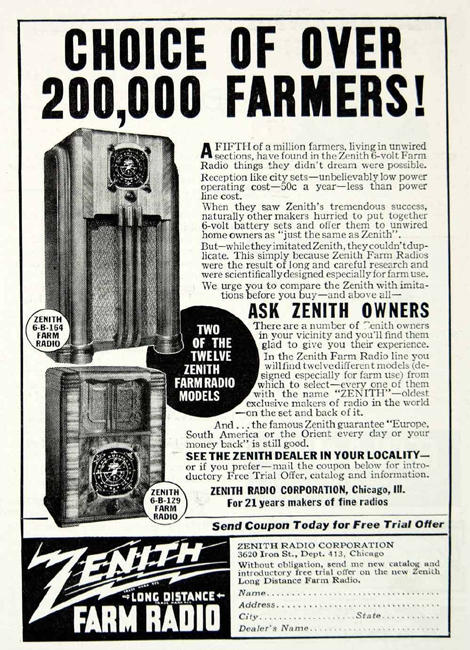

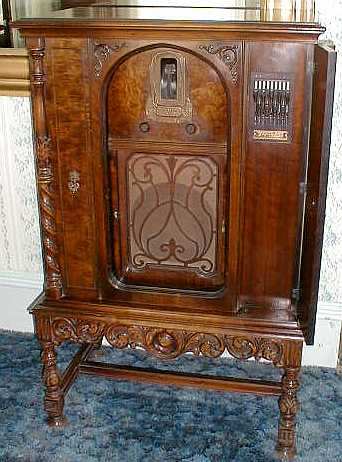
 look forward to listening to the exploits of their heroines daily. Even those moms committed to 24-hour service to their families planned their daily activities around the schedule of their favorite soap opera, and friends knew not to call during that time frame. Among the more popular ones were The Guiding Light, Ma Perkins, and General Hospital. If you were listening to a baseball game at one of those times you were best advised to leave the premises.
 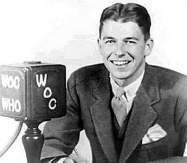 calling baseball games. At a time when things looked bad, many looked for a hero to follow. This was the time of Babe Ruth, Jesse Owens, and Joe Louis for whom some records still stand. Everyone loved “the Babe.”
  Sadly, support for the
  only a couple of months following his election, was designed to reassure the country and outline his plans to deal with the country’s financial crisis His informal style of speaking was well received, even by republicans, and subsequent broadcasts would be carried on all of the networks throughout his presidency. They were particularly useful in maintaining morale during the dark days of the horrible war soon to come. Somehow, we were among the 40 percent of families to have a radio. Consequently; we usually had as many interlopers show up for the fireside chats as we did for the Joe Louis fights. As for me, I recall being angry that all this furor kept me from listening to my favorite show: Gangbusters.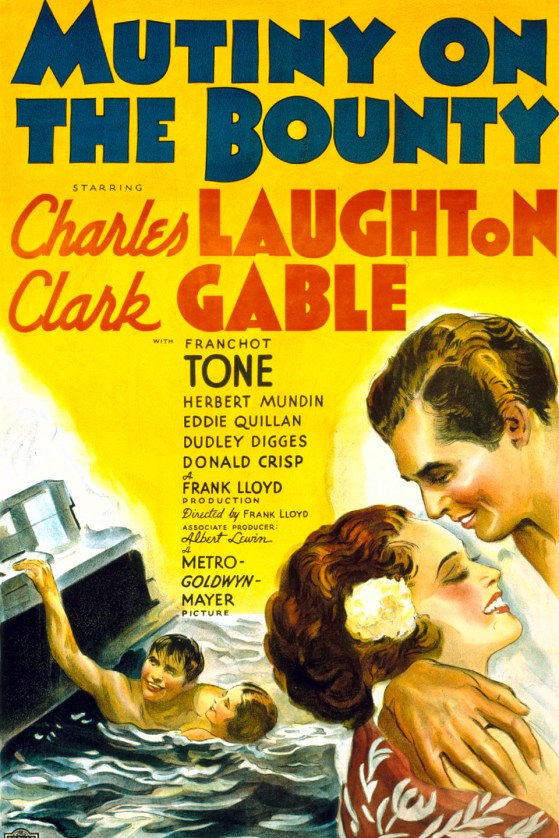
 The other big event of
 I recall seeing a photo of her standing beside a Model T Ford that she had been driving that she had rolled over on its top. In those days, for a woman to be driving a car would have be en unusual if not scandalous. That experience must have left her shaken for she would never drive again and her back seat driving performances were legendary. In similar fashion, she would cede much authority to my father while firmly retaining control of her department, i.e. keeping house and raising kids, a very common arrangement at the time.

 Alexa is more mother than lover; she reminds me when to take my pills and of my appointments. She is always there and totally committed to making my life easier and happier. She greets me every morning with the local temperature and weather report, which saves me the effort of getting up and walking to the window to look at the thermometer. At my command, she instantly dials up my favorite radio station, or if I am not interested in the latest news, she will select from her vast repertoire and play any music I request. All this literally without my “lifting a finger,” even to push a button. But is there is a price to pay for Alexa’s attention?
 We were also introduced to many sporting events, and my most vivid memory is listening to the live commentary of the Joe Louis and Max Schmeling fights. The fights presented a dilemma for the bigots of the time as they were forced to choose between the Brown Bomber and Hitler’s champion of the Aryan race, Schmeling, for most of them hated Hitler almost as much as they did African Americans.
 For example, driverless trucks are already being field tested. The transportation industry is eagerly looking forward to being able to keep their trucks on the road 24 hour/day without salaries, pension, or concerns for driver fatigue, and according to the American Trucking Association there are currently 3.5 million truck drivers in the U.S. Experts in the field such as Bill Gates, Elon Musk, and Stephen Hawking agree that progression of AI (that’s geek for Artificial Intelligence) is inexorable. The only debate is over the time required for full implementation. Drum’s prediction is that it will be sooner than we think.
 Could it be that we are being dumbed down by our interaction with all this technology? Most experts agree that the axiom “use it or lose it” also applies to our brain. AI is said to not only collect information, but to sort it, analyze it, and make decisions more efficiently and accurately than can humans. If that is indeed true, why would there be any need for us to think about anything? As a matter of fact, since robots will do everything better, faster and cheaper than humans, why would we want to do anything? Will the skills learned over the past few million years be lost? Will our frontal cortex atrophy from disuse?
 It so happens that my grandson is the cofounder of



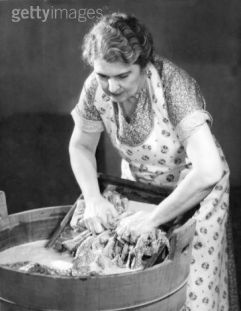 using a procedure for washing clothes that had not changed in hundreds of years. The procedure was not only time consuming but arduous. It involved heating water to fill a metal wash tub, adding soap, placing the corrugated board in the soapy water, and rubbing the clothes against the board until clean. They then would be placed in another tub of “rinse water,” wrung out by hand, and hung out to dry on a clothes line. When dry (she always hoped for sunny days on Monday), the laundry must be taken down, folded and made ready for ironing on Tuesday. That procedure was also much more labor intensive than now: there were no “wash and wear” fabrics, and there were no pampers.
 for truth, such as candor, honesty, and sincerity, are still associated with the word. Along with a few million other kids I was indoctrinated with the fable of George Washington and the cherry tree. The moral of that story was very clear that lying about the deed was as bad or worse that the deed itself. To that end when my father confronted me about a misdeed, and said “don’t lie to me” I soon learned that I was more likely to escape corporal punishment if I confessed.
 How many times in history have we heard that. If indeed the most talented at lying have an advantage at the polls, it might explain why there appears to be so much dissatisfaction about the performance of our elected officials. Nolte is not so charitable with the major news outlets that he describes as “evil” due to their dishonesty, but assures us that “I will not lie.” Yes, I am sure George Washington would be pleased to know someone is following in his footsteps.
 The term “fake news” has been bandied about a lot lately, but that seems to me an oxymoron. If it is fake, it is simply a lie, certainly not news. No matter what it is called, the internet has become a fertile field for its growth. It allows any individual to send whatever lie he chooses with impunity to large numbers of people who are then capable of spreading it to others like an epidemic. The more outrageous or unusual the story, the more likely it is to be widely dispersed. The volume of such misinformation is such that there is something for everybody so that a person is more likely to believe something if it supports his own beliefs or prejudices, and discard that with which he disagrees. This has been called the confirmation bias.
 Beliefs and opinions are not facts. Facts are a necessary component of truth; however truth is more than that. Truth requires an understanding of the meaning of the facts, their relevance to the issue at hand, and their context. Truth is necessary for our survival. Truth is essential for development of trust. Without trust, chaos reigns and society disintegrates. Truth is honest, sincere, and respectful. Truth is especially important in today’s messy world, but currently seems to be in short supply.


 eshrinkblog