The Power of Belief

WHAT SHOULD I BELIEVE

          A few months ago in a blog about conspiracies (May 2017, Conspiracy Theories) I attempted to find answers to the question of why so many of us seem willing to subscribe to stuff even when it is far from the truth, or in some cases totally illogical.  The question has been of particular interest to me having seen many, many patients through the years with disordered thinking leading to false beliefs.  The extreme example of the phenomenon is seen in the paranoid psychotic person whose perceptions are so distorted that his interpretations of reality are far enough removed from that of the average person that he lacks credibility.  They are often so bizarre as to make others sufficiently uncomfortable that he may be shunned.  As a matter of fact, it is not a stretch to describe paranoia as conspiracy theories on steroids.

ARE WE ALL A LITTLE CRAZY?

We now realize that there are many conditions that can impair brain function resulting in paranoia, yet when comparing the paranoiac to the conspiracist, we see they have much in common, which begs the question as to whether the paranoid’s extreme suspiciousness rather than qualitatively different is merely an aggravation of the basic human condition.  After all, suspiciousness has been adaptive behavior for the human race.  It has contributed to our survival and those without suspicions are called gullible and looked down upon.  On the other hand, the conclusions arrived at by delusional thinking are rigidly held in spite of whatever logic or facts are presented.  In like manner, the political zealot’s ideas seem set in concrete, and he brushes off contradictory information as either irrelevant or untrue.

THAT TRUTH THING AGAIN?

If suspiciousness is not only protective but in search of truth, why do we so often believe stuff when there is no evidence that it is true.  Any good con man will tell you the best way to gain trust is to tell the mark what he wants to hear, and the best lies are those that confirm what he already believes.  As a personal example, there is the case of Donald Trump, who I thought was a jerk long before his TV show.  Granted, that opinion was based on feelings and maybe not even rational for obviously I didn’t really know him.  Nevertheless, I am now even more convinced that he is a jerk and moreover a bad President.  Consequently, I suck up what is said about Trump on MSNBC and reject what Fox News has to say as bullshit.  I find it difficult to understand how some of my friends can listen to the Fox News bullshit, and I am sure they feel the same way about me and MSNBC bullshit.  As a consequence, we rarely discuss politics, but I am sure that they talk politics to friends who are of like mind while I rap only with the anti-Trump contingent.  Perhaps this is not such a bad thing. One study indicated that groups with opposing beliefs actually became more extreme in those beliefs while discussing the issues with those who differed with them.  Thus, there may be wisdom in the maxim that “one should not discuss politics or religion in polite company.”

CATCH 22 AGAIN

Unfortunately, that policy presents us with another one of those unresolvable dilemmas, for if one assumes that it is impossible to resolve differences without discussion and discussion simply reinforces beliefs, compromise is unlikely to occur.  The phenomenon does offer a measure of security to politicians or political parties in that limited exposure of their base to contrary ideas will keep them in the fold.  With that, he can devote more resources to winning the independent vote.

When I was a kid we played a game called Follow the Leader in which participants were to follow the behaviors of the designated leader, and those who failed to mimic the leader were expelled until there were only two players remaining, at which point the one survivor would become the leader and the game would resume with the new leader.  There is ample evidence that similar behaviors are seen in nearly all aspects of human behavior, and that we are indeed herd animals.

SO YOU THINK YOU ARE A THINKER?

There is a famous British study in which a large group of volunteers were asked to walk aimlessly around a large hall without talking to anyone, while a few were secretly given instructions as to where to walk, and to appear confident of their destination.  95% of the crowd followed those who appeared to know where they were going, in much the same manner as would a flock of sheep follow a Judas goat.  This phenomenon, only one example of what has been called herd behavior or herd mentality, has received a great deal of study through the years by philosophers, psychologists, sociologists, economists, theologians, historians and even psychiatrists like Freud and Jung.

The principles of herd behavior, or tribalism, have been found to have great utility in influencing all manner of human behaviors.  Indeed, it is difficult to imagine any aspect of our lives that is not affected in some way by our tribal memberships.  Those of us who fancy ourselves to be independent thinkers have little awareness as to how these and other genetically ingrained behaviors unconsciously affect not only our behaviors, but our thought processes, opinions and beliefs.  To belong, one must conform and conform we do, often with little awareness of why we do so.

HERMITS NEVER MAKE IT

The importance of herd behavior is not lost on the world’s politicians and despots.  They know how to make use of our need to belong to a group or to use a shrink term to be “validated.”  In order to brainwash someone or start a cult, one must begin by isolating the prospective victims in order to deny them validation so they will eventually align themselves with their persecutors.  They make use of the fact that as herd animals, contact with other living things is essential, and they hope that their victims will eventually accept whatever relationship is made available to them.  Similar dynamics undoubtedly play a part in the development of the “Stockholm Syndrome” as in the case of Patty Hearst, who joined the cause of her anarchist kidnappers after having been isolated and abused by them.  As I mentioned in a previous blog, it has been shown in several studies that solitary confinement often results in the development of psychosis, further evidence of the importance of relationships.

JUST ONE OF THE GUYS

It is largely accepted as fact that negative political campaigning is more effective than merely focusing on issues.  In such cases the emphasis is not on issues, but rather on his/her opponent’s character and identity.  The candidate will set out to show that he is like his audience and thus is a member of their tribe while his opponent does not belong.  When addressing a blue-collar audience, he may shed his coat and tie and roll up his sleeves.  The recent election has demonstrated that a baseball cap can generate more votes than a resume in those rallies while more formal attire will be chosen for $1000-a-plate dinners.

HERDS GONE WILD

Nowhere is the herd concept better illustrated than at athletic events.  I have been an Ohio State fan all my life, which by the way is a long time.   Of course, football is the most raucous of all modern sports and one in which tribalism is on full display.  I paid significant sums of money for the privilege of sitting in crowded uncomfortable seats sometimes in rain or snow. Surrounded by 100,000 fellow tribe members all rooting for the enemy to be vanquished, I felt I truly belonged.  Fellow tribe members were readily identified by clothing adorned with the school colors.  We pledged our fidelity by singing the alma mater followed by the school “fight” song.  Seating was arranged so that the opposition fans were separate from us good guys, and the cheerleaders encouraged our totally uncivilized behavior.  The best seats are those on the 50-yard line not only providing a better view of the action but placing the fan in the center of the crowd much as other herd animals jockey for position to be in the center of their herd.  Our loyalties also affect our beliefs, e.g., questionable calls by the refs are bad if they favor the other team, and the boos of one are apt to be taken up by other fans.

In similar manner mob behavior can be initiated, and there have been instances where those officiating games have feared for their lives.  Soccer games seem especially prone to mob behaviors.  Political rallies can be orchestrated to take advantage of that same dynamic.  It is said that Hitler frequently placed plain-clothed SS agents in crowds when delivering his tirades. Their job was to stir up the crowds by cheering his every word thereby stimulating herd behavior, a technique not lost on modern day political organizers.  For example, it is clear that the “lock her up” chants during the last presidential campaign were not entirely spontaneous.

GOOD GUY, BAD GUY

Throughout history leaders have come into power by designating a person or group of people as enemies.  A prospective leader must be able to place blame for whatever widespread complaint exists, and convince his audience that they are under assault by the bad guy or a group of bad guys.  It is helpful if he can induce hatred, for passion increases voter turnout, and the resulting divisiveness is encouraged.  An opponent will feel compelled to respond in kind to the accusations and the campaign becomes a battle of personalities rather than ideas.  Charisma triumphs and meaningful debate never happens.

We are all under a great deal of pressure to believe as are our fellow tribesmen. Consequently, we are strongly influenced to share our beliefs with those who are sympatico, which often leaves us isolated from those who don’t share those beliefs.  In a previous blog, I referenced a study which demonstrated that people are more apt to believe information obtained from a friend than from conventional sources, another indication that belonging is enhanced by sharing beliefs.

IS INDEPENDENT THINKING A LOST CAUSE?

Although many of our beliefs are buttressed by facts, there is also a certain amount of volition involved.  We sometimes reject beliefs that we find objectionable in spite of significant corroboration, and readily adopt those we find appealing despite limited evidence of their validity.  Religions demand professions of belief if one is to enter into the fold, be eligible for an afterlife or in some cases even one’s mortal life.  Early Christians presented their captives with a choice of believing or dying.  Radical Muslims are reported as doing the same even today.

Today, there are powerful pressures brought to bare in efforts to channel our beliefs.  We are drowning in information, much of which is distorted or false.  We are affected by advertising so sophisticated that it is personalized to each of us.  News sources which we trusted to provide truths are under assault.  Then there is that whole internet thing which muddies the waters even more.  Perhaps it is understandable that in our search for a lifeline we should reach out to our tribe to tell us what to believe.

Addendum by eshrink’s offspring (Maggie)

So, what is the answer to this dilemma? Maybe recognition of our need to belong is the first step to evaluate our own ability to think rationally. Instead of convincing or attempting to persuade others, maybe more listening and less talking will lead to greater understanding. No matter our opinions and thoughts, greater understanding and close relationships are what define the human condition.

One of the primary teachings I learned while earning my journalism degree was one of neutrality and learned objective behavior. “A reader should never know what your opinion is. Save that for the editorial page,” a professor preached to our class. To counter the need to disagree, I was taught to ask why. There is always more value in understanding why someone believes something than trying to convince them why their thinking is flawed. To ask the question and learn about their thought process (if there is one) can lead to greater understanding for the person asking the question and sometimes illicit the process of critical thinking in the one whose opinion differs from your own.

At the end of the day, this life is about relationships. Humans connecting with one another. Maybe we can be an example for the pundits and the politicians who want to gain power by dividing rather than unifying. One can only hope.


THE BOOMERS’ KIDS

While the baby boomers head toward retirement, their kids are beginning to take the reins.  They are commonly referred to as the millennial generation.  We can only hope they will do a better job than have their parents or grandparents.  These millennials have received a good deal of bad press, mostly from old farts like me  They have been called narcissistic, spoiled, inept, lazy, and trophy kids among other things.  They are the first generation to prefer a computer screen to stuffed toys or rattles.  This was brought home to me yesterday when I passed a grocery cart in the store containing a baby in a child seat who was apparently entranced by something he was holding which looked very much like some kind of mini ipad.  With that in mind is it any wonder that digitally deficient old folks like myself rely on kindergarten grandkids for computer lessons?

Educator Marc Prensky in his publication, Digital Natives, Digital Immigrants, defends the millennials and insists that our misunderstanding of them is the result of our speaking different languages.  He posits that their nearly total immersion in the digital world via computers, video games, digital music, cell phones, video cams etc. has resulted in their “thinking and processing information fundamentally differently from their predecessors”.  They even prefer to communicate digitally.  As a matter of fact, the geeks may be the new heroes of the millenial generation.  Prensky concludes that all of this leads us to feel apart, since these geeky kids do inhabit a different world.

Pensky goes on to quote Dr. Bruce Perry of Baylor College of Medicine who echoes his assessment with the statement, “It is very likely that our students’ brains have physically changed and are different from ours-as a result of how they grew up.”  Although the idea that a whole generation of brains might be changed in both function and structure seems farfetched, recent research concerning the elasticity of the developing brain suggests it not so much of a stretch as it seems.

David Burstein, himself a millennial, in his book “Fast Future” coined the term pragmatic idealism to describe millennial philosophy and insists that millennials in general have “a deep desire to make the world a better place.”  He goes on to say that their idealism is tempered with the realities of what is possible, and consequently, they will be able to bridge the divisiveness that currently prevents solutions to world and domestic problems.

He is an ardent defender of his generation, and insists that they are optimistic about the future as is he.   He points out that soon his millennials will represent one third of the population and mostly represent a consensus on societal, environmental and economic issues.  It is easy to see how when these kids (to me all people under the age of 40 are kids) ascend to positions of power they could conceivably bring about massive changes to the status quo.

In a time in which our electronic gadgets are obsolete by the time we old codgers learn how to use them, these geeky kids stand a better chance of utilizing the best features of a cyber world, and warding off nefarious uses of technologies that seemingly progress at warp speed.  The dangers inherent in artificial intelligence and robotics was the subject of previous blogs, but there is also the problem of cyber warfare which seems to be already underway via Russia’s attempt to undermine our democracy.  A criminal element will always be with us and they have found ways to do much harm with only a keyboard as a weapon.  A digital world will require our best millennial minds to sort out the good and protect us from the bad.

In such a world it is vital that those scheduled to take over be forward thinking if they are to be successful in adapting; however, in doing so they tend to ignore traditions important to previous generations, undoubtedly convinced that history is no longer relevant in their digital wonderland.  Materialism is frowned upon, and new lifestyles are in vogue.  To own a home in the suburbs is no longer the ideal for many.  Those women who choose to marry are more likely to sign up for the Wal-Mart bridal registry, and could care less about inheriting the family silver.  In many areas the antique business is on life support.  In their zeal to move forward, let us hope they will not lose sight of the lessons painfully learned by their ancestors which led to the origin of many of those irrelevant traditions.  Prensky posits that we have been remiss by failing to teach “both legacy and future content in their language”.

There is evidence that Burstein’s positive assessment of these kids is valid.  One example of which I am aware seems to fit his “pragmatic idealism” mold quite well.  It all began when four college students at the Indiana University became interested in beekeeping, and ultimately, concerned about the plight of the vanishing honey bee.  With further study they learned to appreciate the magnitude of the problem.   It is said that nearly 70% of the world’s edible crops depend upon honey bees for pollination, and we are now losing nearly half of all the colonies each year.  The extinction of the species would be catastrophic.  Other animal life could also be affected due to the lack of pollination of plants on which they feed.  The Food and Agriculture Organization predicts that without honey bees it would be impossible to feed the 9.1 billion people expected to inhabit the planet by 2050.

This group of four college students formed a club to study bees, and noted that although there was ongoing research into the problem, little was known about life inside the hives.  The university annually hosts a contest, Building Entrepreneurs through Science and Technology (BEST), for would-be entrepreneurs with an award of $100,000 to be used as seed money for the students to put their idea into action.  After an application process, the finalists present their business plan to the venture capitalists involved much as in the TV series Shark Tank and our heroes won. Click here to see the press release.

They incorporated in February 2016 under the name “The Bee Corp” and set about to use their grant to purchase some bee hives in order to have a cohort on which to learn, but were not averse to harvesting and merchandising nearly 1,000 pounds of honey the following year (one jar of which I enjoyed).  Those hives had suffered a great deal of neglect prior to their purchase by Bee Corp consequently; there was much sweat equity involved in the production of that honey.  This business success while in the pursuit of their stated mission “to drive innovation on traditional beekeeping practices through scientific research and technology in order to foster sustainable honey bee populations” a perfect example of Burstein’s pragmatic idealism.

Meanwhile, they continued in their efforts to develop the means to monitor the health of bee hives and indeed to collect enough data to learn what parameters were most healthy. Not surprisingly they came up with a digital solution.  They proposed to monitor intra-hive conditions by placing sensors in the hives which could transmit data wirelessly to the beekeeper.

Soon another instance in which business opportunity coincided with mission occurred.  In their contacts nationwide with beekeepers, they learned that a secondary problem had accompanied the loss of hives.  As the shortage of hives became acute, those remaining became more valuable, and there developed a widespread business of hive theft.  More than 1700 hives were stolen in California alone during the 2016 almond season.  They were able to enhance their intra-hive technology by developing a GPS tracking system which could be forwarded directly to police.

On January 1, 2018, this trio of kids who were now full time into the bee saving business were rewarded with a grant from the National Science Foundation in the amount of $225,000 to further develop a database which can used to “create a baseline model of a healthy hive to detect anomalies” as stated in the award.  The award allowed them to hire their first full time employee: a data scientist.   The beekeeping industry welcomed the news that there was an effort underway to solve their problem.  Successful Farming magazine wrote “Ag tech start-up The Bee Corp is causing quite a buzz as it begins to monitor conditions inside commercial beehives.”

the bee corp crew

It so happens that one of the co-founders of this corporation is well known to me, as a matter of fact he is my Grandson, but you may rest assured this in no way affects my objectivity in writing this for he would be an exceptional person no matter who was his Grandad.  Simon has always been interested in business but is not lacking in altruism, or environmental concerns even ending up with a major in environmental science while working nearly full time throughout college.

So, there you have it.  Millennials working hard to provide themselves with a comfortable lifestyle while simultaneously improving the lives of others.  Where could you find a better example of “pragmatic idealism”?  Let’s hope there are many more like them, and that greed will not blind them to the second part of that phrase.

PART III: CONFESSIONS OF A RECOVERING MALE CHAUVINIST

This morning I saw Theresa May, the British prime minister, on television discussing the recent terror attacks on her country. Prior to her, Margaret Thatcher (the Iron Lady) held forth as the country’s leader all during the eighties. Angela Merkel is the highly regarded prime minister of Germany; Canada has a female Prime Minister; and we recently came within a hair’s breadth of electing a woman President. Nevertheless, at last count there were women heading 9.1% of countries worldwide and 4.6% of fortune 500 companies with female CEOs.

In my last blog, I discussed the significant progress women have made towards gaining equality and respect, but these numbers tend to confirm that they have a great distance to travel. The evidence presented also points to major differences between women and men both in the way they think and the way they relate to others. I reported on research which demonstrates that some of these differences are evident at birth. My interest in this subject originated from the random speculation on what the world would be like were it operated by women, which of course raises the question as to the effect these female qualities would have on their ability to lead.

TELL ME IT ISN’T TRUE

My daughter, Maggie, thinks that men lead by controlling while women seek to find consensus. There can be little doubt that women are more nurturing than men, and studies I mentioned in a previous blog confirm that they are also more empathic and observant of others’ communications. By contrast, she feels men are not as open to suggestion, are dogmatic, less tolerant, and less patient. You may be thinking “Oh sure, just another man hater,” yet a study of 7,280 leaders published in the Harvard Business Review shows women scoring higher than men on 12 out of 16 competencies thought necessary for good leadership. More surprising was the fact that the gap was even wider between men and women in upper levels of management.

ITS NOT MANLY TO ASK FOR DIRECTIONS

This latter factor could be explained by results contained in the same study indicating that women continue to consult with others as they reach a higher status, while men do not seek other opinions as they climb the corporate ladder. Perhaps men are more likely to become satisfied with their accomplishments as they reach the top of the corporate chart; consequently, they don’t feel the need to look for input, new ideas, etc. Or it may be that as men reach the top of their game they don’t like to admit they need help, whereas women are probably less likely to see inclusiveness as a sign of weakness or incompetence.

YAK, YAK, YAK

We guys know that on average women are more talkative than men, and that most women seem to hunger for conversation. It makes sense that with all that practice they should be better listeners. In a prior issue, I quoted a study indicating that females are more attentive and interested in both verbal and non-verbal cues, even at birth, so little wonder that in this study they were found to “communicate powerfully and prolifically.” As one would expect, women scored well above men in the “nurturing competencies,” i.e. building relationships or helping and inspiring others. What was surprising is that they also beat out their male counterparts on categories traditionally ascribed to men. For example: the largest disparity was with the competency “takes initiative,” which seems to negate the idea that women are too meek and passive to lead. We men can take heart that we were victorious in the category “develops strategic perspective.” Even so, I suppose those women’s libbers would say this means we guys can’t see the forest for the trees.

MITE MAKES RIGHT

Men have evolved to have superior upper body strength, which adapted them to be hunters and warriors. This has also made men uniquely qualified for many jobs in the industrial age. Women, on the other hand, are less physically powerful but posess superior manual dexterity, adapting them for infant care, food preparation and making clothes. Now, society is on pace to virtually eliminate the need for physical strength as robotics take over the jobs which required muscle. Conversely, most jobs, if there are any, will involve pushing buttons and fine tuning instruments. Even the warriors of the world will be out of work, for all the strength needed to fight a war will be the ability to look at a screen and push buttons. In that regard, women’s fingers are known to be more facile than men’s.

NEVER FEAR, WE CAN DO JANITORIAL WORK

If the foregoing assessments are correct, male employment prospects may soon be in jeopardy. In order for women to take over the world, they would also need to take the lead in politics. In addition to the aforementioned qualities needed for leadership, effectiveness in government requires consensus building, another talent in which women are said to excel. It has not been so many years ago that the thought of a female president of the United States would have been laughable, so lookout guys—they are gaining on us! All those strategies which we have used so effectively in the past to keep them in their place are not likely to be effective much longer.

NOT FIGHT FOR OUR COUNTRY?

In the event that it comes to pass that women are able to make use of their advantages in a digital world and become the top dogs, would the world be different and, if so, in what way? In pursuit of the answer to that question, I queried my favorite expert on the subject of women. Barb replied without hesitation that there would be no more wars. If that is true then she has answered the question of how to eliminate the most horrible activity of man—an answer that has been right under our noses for thousands of years. That idea seemed overly optimistic to me, but the idea certainly was appealing. Imagine a world without defense budgets and the ability to use resources to benefit people rather than to kill them. Of course there would be a down side in that the military industrial complex would no longer be needed, and that could cause some economic problems. Unfortunately, we cannot be sure that all women share Barb’s anti-war sentiments. After all, there was Joan of Arc, and women in the military continue to lobby for more involvement in combat roles; although, in general, men seem attuned to the so-called glory of war while women focus on its horror. Thus, it is reasonable to expect women to look for other means of problem solving.

COULDN’T SOLVE THIS ONE BY BEING NICE

If women should achieve the highly unlikely status of leaders in those countries famous for the most barbaric treatment of women, would they see fit to stop those practices, even though their religious leaders and judicial systems condone and even encourage such practices? Would rape victims be punished while their assailants go free? Would so-called honor killings continue to go unpunished? Would there be any serious consequences for those men who carry out genital mutilations in order to guarantee chastity? In many cultures, women are denied the most basic freedoms and are virtually imprisoned. Would women in leadership roles be prone to accept many of these practices as appropriate since they had been firmly ingrained in their culture for hundreds of years?

THEY ARE NOT PERFECT EITHER

The premise that power corrupts was accepted as gospel by our founding fathers, who took pains to see that nobody had too much of it. Since one of the highest scores for women in the Harvard study was “Displays High Integrity and Honesty,” one would expect women not to be as susceptible to such corruption, yet there is one example of such a happening. Indira Gandhi was the first female Prime Minister of India. She was much admired all over the world for the policies she had initiated to help achieve equality for a people who had been victims of a caste system throughout their history. She initiated many reforms including equal pay for women, which was indeed a revolutionary concept in those days. However her legacy was tainted by an about face in her style of governance when faced with an economic crisis. She became authoritarian, jailing her political opponents, limited freedom of the press, and was eventually convicted of “dishonest election practices.” I find it interesting that she was quoted as saying: “To be liberated, woman must feel free to be herself, not in rivalry to man but in the context of her own capacity and her personality.” It sounds as if she was on the right track, but slid off the rails.

Can we take from this example that women would exhibit the same flaws as men when it comes to governance, or would they function differently in a world dominated by women, where rules from a male dominated world no longer apply? Research cited in Psychology Today confirms that “men are more oriented toward impersonal or invidualistic goals, and women are more oriented toward social integration,” a result consistent with Baron-Cohen’s studies (see Part II of this series). In other words, men tend to gloat over a victory while women feel sorry for the loser.

“WINNING IS NOT THE THING, IT IS THE ONLY THING?”

Revered football coach Vince Lombardi also said “No leader, however great, can long continue unless he wins battles. The battle decides all.” For women, the most satisfying resolution to conflict would be that negotiations result in a happy outcome for all; most would probably prefer to avoid the battle. This does not mean that women are not competitive, far from that, but “happy ever after” is still their favorite ending. We men also have that problem with testosterone, which stimulates aggressiveness, a need to dominate, and may affect our judgement in some cases. Vince said one can’t lead unless he or she wins battles, but women would rather discuss the matter over tea.

Conflict has undoubtedly caused more pain and suffering throughout the ages than all other factors together. Politically, this has not changed since Cain and Abel. Nations in particular respond to an attack, real or imagined, “proportionally,” which is not much different from the way children react i.e. if you hit me, I will hit you back, and the excuse is always: “He started it.” Conflict usually results when one entity feels it is under assault of its person, possessions, beliefs, or integrity.

Early in my career (before the days of the 15 minute session), I was very involved in attempts at conflict resolution due to a special interest in family and couples therapy. We were able to categorize conflicts based on the methods the participants used to deal with alleged assaults by another person. As I mentioned in an earlier blog, the most malignant and destructive relationships were the result of an attack-attack system: a perceived attack, physical or verbal, is reciprocated by an attack of equal or more intensity. As you might expect, in such situations the level of anger escalates, and violence may ensue even though the basic disagreement(s) may be trivial, which is further evidence that “violence begets violence.”

That term was first published in this country nearly 200 years ago in an editorial in the New York Times. There are biblical references to that same truth, but we continue to ignore it. Our leaders continue to seek military solutions to the world’s problems. They give lip service to negotiations but refuse to talk to their enemies, while millions are homeless, starving, and face death or worse. My research in writing these essays has convinced me that in situations where women leaders come in conflict with each other, a non-violent resolution is more likely to occur, and winning will be defined by the degree of satisfaction felt on both sides rather than by a body count.

WHO WOULD HAVE GUESSED?

Recently, in the midst of all these ruminations, I happened on to an interview of our ex-president. Mr. Obama admitted, in front of God and everyone, to being an avowed feminist. He even went on to say that he thought women would do a better job than men at running things. It is not clear to me the gender of his audience; however, I see no advantage for him by currying favor with any group since he doesn’t need their votes anymore. Although I am in basic agreement with his conclusions, I must confess to some reservations about a total transfer of power.

LITTLE WONDER THEY ARE PISSED

Feminists say their cause is equality, yet many of their leaders show signs of animosity towards men, perhaps aggravated by their prior experiences. Maggie recently allowed me to read  an article she wrote about some of her experiences in the workforce. I was shocked to hear about the insults and unwanted physical contacts she had experienced. Although she had previously made casual mention of some of these experiences, I had no idea that she had actually been assaulted, which is probably just as well, otherwise she might have spent her free time visiting her old man in the slammer. There was probably also an element of my excusing much of those behaviors as only a little good-natured teasing as we men are wont to do. It is to their credit that women in “the movement” are educating us guys as to the hurtfulness of some of these behaviors. Laws designed to protect women from discrimination and exploitation have also led many organizations to initiate more stringent rules against such behaviors. In spite of all these attempts at protection, discrimination persists, as evidenced by such obvious things as unequal pay and opportunities for promotion.

NOT PERFECT?

While contemplating this vast change in the gender hierarchy, a number of questions come to mind. If women were to become leaders, would they be immune to the corrupting influence of power? Would their attitude towards men be conciliatory, or would they reverse roles and become the discriminator? Would they be inclusive, and allow boys in their sandbox? Would their means of problem solving be more effective? Would they be concerned about environmental issues? To what extent would they become peace mongers? Would they be staunch defenders of liberty or would they be too wishy-washy?

As is usually the case, when performing these kinds of mental gymnastics, of which I am fond, the quest for an answer only results in more unanswerable questions. I did conclude that when men and women are working together, it is best they leave their hormones at the door. In such an environment, they are most likely to reach a common goal by combining their unique talents and thereby gain in respect for each other. We could use a lot of that.

10 Ways To Screw Up Your Kids Without Even Trying

During my years in the practice of psychiatry, I frequently heard parents of children who were in trouble lament: “Where did I go wrong? I did my best to be a good parent.”  Some might even point out they had read Dr. Spock cover to cover more than once and Dr. Brazelton’s Touchpoints books.  I always tried to reassure them that they were not the only people influential in their kid’s lives and that we parents are probably not as powerful as we think we are.  Most people would agree that children are quite capable of screwing up their lives without help; however, I think there are some ways in which parents can contribute to the process.

1)   Protect and serve

I recently had a conversation with a retired school teacher who mentioned her difficulty dealing with the so-called helicopter parents who fly in at the first sign that anyone dare suggest their little cherub could do something wrong, or be imperfect in any way.  A note to the parent suggesting something less than perfection in behavior or scholastic achievement is likely to result in a visit from the enraged parent to defend her poor little helpless child.  The parent’s explanation is to blame someone else, usually the teacher, for the problem.

helicopter-parent

My teacher friend seemed have less than a high regard for helicopter parents (but to be precise, “helicopter mothers”). However, my teacher friend apparently had not considered that this behavior could be of immense value to the child in learning to cope with the exigencies of life.  She did not take into account that the assumption of responsibility is not a highly valued quality in modern society, and that for little Johnny to learn to blame others for his problems could smooth the way  for him to grow up to be very successful should he choose the right vocation.  A career in politics comes to mind.


Additonally, the helicopter parent may also benefit from the practice of always defending little Johnny for these skills might be valuable later in juvenile court.

2)   Don’t snoop

Most kids seem to feel they have a constitutional right to privacy.  In my personal experience, nothing a parent can do is apt to generate more ire in kids than the violation of this precept, and to snoop places a parent at great risk.  Besides, the discovery of a stash of condoms, or weed could lead to a lot of trouble.  From the little I know about the electronic stuff, it seems virtually impossible to snoop. Therefore, a parent might as well hope for the best about what is going on in their child’s life.  Your child is apt to guard the password to his/her computer with their life, and you certainly would not want to suggest he/she is untrustworthy.

snooping

It is mandatory that your child has a TV and/or computer in his room where he can escape from the family and watch skin flicks without interruption.  It is important to remember like what the airplane has done for transportation, TV porn has done for sex education with the added advantage that there is no need to have that embarrassing conversation about the birds and the bees. In short you can avoid a lot of controversy by treating the door to Johnny’s room as if it were the entrance to a bank vault.

3)   Don’t listen

not listeningSome so-called experts advise that children should be allowed to express      themselves.  I grew up hearing that “children should be seen not heard” which seemed to work out alright for me, as I grew to be as opinionated as the next guy.  I suggest that kids are already mouthy enough, so it makes sense to tell them to shut up and do as they are told.
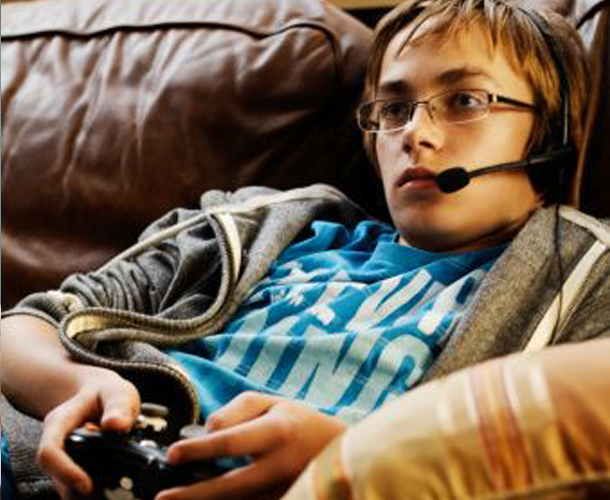
4)   Encourage in-home activities

Much has been made about the detrimental effects to children of video games and cell phones.  In my opinion these instruments have become the greatest boon to motherhood since Similac.  No longer does Mom need to worry about little Johnny or Mary being accosted by some predator.  She no longer needs to deal with muddy and grass stained clothes nor scrapes, bruises, or even an occasional broken bone.  She always knows where to find them for they are either in front of the TV or on their cell phone.

video games.png

Some people insist that these gadgets lead to a sedentary lifestyle resulting in problems such as obesity, poor muscle tone and a variety of medical problems such as type 2 diabetes and delayed reasoning skills, but they must not have noticed the dexterity of kids’ thumbs in action when they are texting.  One can safely assume that as our digital age progresses, such a skill could be more valuable to your child than a burgeoning muscle mass.

5) Overindulge whenever possible                  

In this age of materialism, the most effective way to show our children we love them is to shower them with gifts.

overindulged childrenIf you celebrate Christmas you should consider that the kids are unlikely to remember any of that religious stuff, but they will never forget Santa Claus.  Possessions are also an important measure of one’s status in society, and this principle applies not only to the kids but to the entire family.  Our society has made giant strides in this area since I was a kid.  When I was in high school there was only one student with a car and his dad owned a car lot.   Now when I pass the high school parking lot it is jammed with cars with an overflow across the street in the church parking lot.  It is true that some are not late models, but even those less wealthy kids need not suffer the humiliation of being seen boarding a school bus.
I am well aware that this may put a strain on the family budget; however one should bear in mind that credit card companies are usually very accommodating when it comes to increasing your credit limit.  If all else fails Dad can always get a second job or a third one if he already has two.

6) Keep them guessing

There has been much made by so called authorities on child rearing about the importance of consistency, but I feel consistency is overrated.  B. F. Skinner’s experiments have clearly demonstrated that intermittent positive reinforcement is the most effective tool to shape behaviors; consequently, house rules should never be rigidly fixed, but fluid and subject to change at the whim of those in charge.  To be confident of the reaction to his actions is apt to render him a lazy thinker, while confusion as to an outcome will require deductive reasoning.  Some kids are likely to initiate certain behaviors in order to see what reaction it will generate.


It is also helpful if the parents disagree on many issues.  This can result in valuable training in how to manipulate people, e.g., play one against the other.  In the matter of discipline most of us can remember the old “wait until your dad gets home threat.”  In the event that Mom remembered to tell him his response would largely depend on his mood or if he had stopped for a couple of beers on the way home.   It could result in anything from “a good talking to” to a trip to the woodshed.  In the latter case with today’s attitudes towards corporal punishment confiscation of the perpetrator’s cell phone would be necessary to prevent him/her from calling Children’ s Service.

7) Shame them whenever possible

I once wore a dunce cap.  Few who read this will be old enough to remember the power of the dunce cap.  It was usually cone shaped and made of paper, and its adornment was accompanied by a sentence of standing in the corner for a lengthy period of time.  Its presence announced to the world that one had done something terrible.   In my case, I had the audacity to talk in class.  It was a two-room school and I was in the second grade. I was spared the paddle, which was displayed prominently behind the teacher’s desk, but was assured that it would find my backside were my behavior not to change.  To make matters worse, the teacher was my uncle which guaranteed that my parents would learn all about my transgression.

dunce-cap2_8945

The humiliation was made complete by the teasing I suffered at the hands of the other kids not to mention the “dressing down” (The time out strategy had yet to be invented) by my parents.  The whole experience was remarkably effective as I never talked in class again.  From that incident and others I suggest you not hesitate to use ridicule, and shame to shape your child’s behavior.

8) Teach humility

Children are born with an exaggerated sense of their own importance.   Babies seem to know that if they cry people will hop to and immediately make them happy.   In many cases this persists through the teen years, and has been accentuated by the propaganda of Mr. Roberts who was able to convince legions of rug rats that they were special.  The process of comparing your child to those with superior talent or success will go a long way towards bringing him down to earth.  It will also provide him with goals, but at the same time help him face his limitations so as not to waste energy or time on trying to become something he is not.  Children need to face reality; consequently, if they are stupid, ugly, awkward,  or weird they need to know about it. Yes, I am aware of all that psycho- babble about self-esteem, but if the kid is a slob like his old man, he needs to be told about it.

9) Don’t have dinner together

This is a subject dear to my heart for mealtime is my favorite time of the day, but come to think of it all the time is mealtime for me.  However; I don’t feel that I am unique in that regard for modern families have given up the ritual of all sitting down together at an appointed time to break bread.  That is probably just as well as a lot of time is wasted on such things as reviewing each person’s day, and making small talk.  It was often the only time of the day when the entire family would spend time together.  There were also the obligatory lessons in table manners, nutrition and hand washing.  At times minor squabbles would energize the experience, but all in all it was not very exciting.eating togetherModern families (not the one on TV) have no time for such foolishness.  There are too many activities and conflicting schedules to even consider such an old fashioned habit.  Mom may have trouble making it home from work in time for dinner let alone prepare a full course meal.  Often ordering a pizza or stopping by for a sack of Big Macs makes a lot of sense, but responsible parents will all be sure to keep a jar of peanut butter as backup.   Crock pots have been a boon to today’s families as food can be made available at anytime and the ordeal of eating together can be avoided.   The old policy of sit down family dinners pales when compared to the convenience of an every man for himself system.


10) The responsibility myth

One of the most difficult problems for families is deciding who should be responsible for taking out the trash.  If the kids are assigned to take turns, there will be endless loud and disturbing bickering about who did it last.  The timeworn strategy of listing a schedule on the refrigerator rarely works as it is subject to editing and will often disappear before it is implemented.  When responsibility is fixed, you will witness such creative thinking in the formulation of reasons why the chore was not done that you can be very proud.

1211_trashbingirl_rotator

Eventually, you will come to realize that the energy required to fix responsibility, not to mention the frustration involved will lead you to conclude that the best solution is for you to take it out yourself.

I am reminded of an incident in my own family from many years ago involving my son.  Barb had become very frustrated with him.  She complained that his room was a mess. When she ordered him to pick up the clutter on his floor he simply shoved it all under the bed.  She was incensed and insisted that I “do something.”  When I asked what I should do, she replied: “Go up there and stay with him and make him be responsible.” My brilliant retort was:  “If I do that, then who is responsible?” I did come up with an equally brilliant solution however.  I simply walked upstairs and closed the door to his room.

You cannot force your child to be responsible so let him/her go.  As an adult they will learn all about the wages of irresponsibility soon enough, besides you don’t need the hassle. It’s just a lot of work.

Conclusion

Some of you may not wish to screw up your children’s lives, but before you come to that conclusion you might want to consider all the ways they have screwed up yours.  Think of all the sleepless nights, the school PTA/PTO meetings, volunteering, chauffeuring, the crying, whining, and the dirty diapers not to mention the enormous sums of money spent on them.  You will need to decide if it is worth it.  In spite of my best efforts to screw up my kids’ lives, they l have all turned out well.  Go figure.

DISLAIMER:  I strongly deny receipt of any remuneration from the American Psychiatric Association in return for the recruiting of patients.


FAMILIES

FAMILIES

In previous blogs I have discussed the importance of relationships in our lives; however none are more important than our relationships with our family of origin. They will be a powerful influence as to how we view the world and other people.  More importantly, these experiences will be major determinants in the development of our personalities.  Those fortunate enough to grow up in nurturing environments will find it easier to nurture their offspring.   To feel loved is likely to protect one’s self-esteem, and allow one to experience the joy of loving others.  Our values are in many ways shaped by family for even if one is rebellious and rejects what he has been taught, his new found truths often originate from the nature of his family relationships.

Apprenticeship to Adulthood

We humans are unique among mammals in the length of time required for us to reach maturity. Not only is our rate of growth slow, but there is much to learn if we are to survive and thrive in a complex society.  Although much is determined by our genetic make-up, we learn behaviors and perceptions primarily by unconsciously mimicking others.  In that sense, growing up is much like an apprenticeship.

The 21st Century Family

An accurate definition of family is now difficult to pin down. There are no longer traditional roles for family members, such as were the norm in my generation.  Since most parents work, there are fewer stay-at-home moms.   We now see an occasional stay-at-home dad, something unheard of in my time.  Other than widows, single mothers were not nearly as prevalent during my youth as they now are.  Modern mobility has limited the number of nuclear families who can experience the support of extended family members.  Many of our children grow up barely even knowing the names of their cousins.  Blended families composed of his, hers and their children can face special challenges.

The Power of the Family Bond

In spite of these changes, the bonds between family members are among the strongest of all our relationships. This is evidenced by the fact that one of the first phases of recruitment by cultists is to alienate the prospect from family members, usually leaving siblings and parents confused and devastated.  The same tactics are used by those who would attempt to relieve the elderly and infirm of their possessions.  In both cases, they discredit the families of origin and attempt to break the bonds between the victim and the victim’s biological family.  Those in positions of leadership of all stripes realize the strength of familial relationships, and seek to provide an atmosphere in which a surrogate family can develop.  Street gangs likewise are said to provide family like bonds, which have been lacking in the lives of those they recruit.  The search for the type of relationships found in families seems to be a common human need.

“I found it difficult to remain therapeutic while feeling homicidal.”

Although families offer the best environment for rearing children, they can also be the scene of horribly abusive behaviors. I have had little experience dealing with such problems, especially when they involve children.  I generally avoided treating such cases as I found it difficult to remain therapeutic while feeling homicidal.  In like manner I find that the understanding of other cultural practices such as honor killings, genital mutilation and such to be way above my pay grade, and in spite of being paid quite well.  Consequently, I will confine my remarks to treatment of more mundane problems.

Who is the “real” patient?

Most families seeking help are usually concerned about the behavior or mental status of one of their members. They are often coerced into treatment by the identified patient’s therapist.  That term (identified patient) is useful in that one may find that the person in treatment may be the healthiest member of the family, and labeled as sick because he is out of step with the rest of the family (i.e., the identified patient is actually the most emotionally healthy of the group who is reacting to an unhealthy family dynamic).

The importance of family therapy

There are multiple reasons that I believe involvement of family is critical in the treatment process:

  1. Family members may be able to provide valuable information about the patient’s behaviors.
  2. It allows the therapist to view family relationships first hand and thus provide insights as to the stresses in the patient’s environment.
  3. Family members may provide a more complete family history
  4. It allows the therapist to assess the level of support available, and to encourage such support
  5. Perhaps most importantly, it is a mechanism in which the dilemma of providing family with needed information about their loved one’s illness without violating the confidentiality inherent in the doctor-patient relationship. This becomes even more important in those cases where there are paranoid tendencies, or there has been a great deal of conflict.

The Complexity of Family Relationships

Although the average family size has shrunk considerably over the last century, relationships between members can still be complex. It must come as no surprise that there are often conflicts within families.  Since it is difficult to walk away from one’s family, those conflicts are not easily resolved, and over time may escalate.  To be chronically angry can be debilitating and painful, and as such, blaming another for those feelings comes easily.

The Blame Game

As mentioned in previous blogs it is important that the therapist avoid joining in the search to establish who is at fault, for to do so merely perpetuates the problem. He must be able to analyze the problem from the outside looking in, that is, learn how to be a meta-communicator. Hopefully, the members will find it difficult to continue blaming each other if the therapist redefines the problem as blaming rather than defining the problem as identification of who is at fault.

The Power of Brevity

In order for the therapist’s comments to be effective, they must be brief if they are to be remembered. The importance of brevity as with most things in my practice was learned from a former patient during a chance encounter, during which he thanked me for having helped him several years previously.  He credited his recovery to one statement of mine.  He said: “The thing that helped me most was when you said ‘you think too much’ and now whenever I start to worry about all the things which could go wrong those four words come into my head and I am able to move on.”  I cannot take credit for any brilliant insights for I didn’t even remember the incident, but it is an example of how an offhand comment may be more effective than hours of therapy.  The same principle applies to our everyday lives, as the most memorable comments are those expressed in a few words.  The lengthy ones are often forgotten before they are completed.

Obviously there are many reasons for families to seek counseling other than to deal with hostility, but no matter the problem it is helpful to look at it as a communication system gone awry. Imbedded in many different behaviors is a message, and thus can be seen as a form of communication.  For example, what is the message being sent by a teenager who is acting out?  It could be that they are angry about limits set, unrealistic expectations from parents, lack of trust by parents, sibling rivalry, or resentful that not enough limits have been set, or for reasons which have nothing to do with the family.  Of course, the teenager is almost certain to be the last person likely to divulge such information.  Disclosure can many times offer a pathway to an understanding, which may be therapeutic.

Can’t see the forest for the trees

It was not my intent for this paper to be a treatise on family therapy; however I thought it might be useful to see how some of the concepts could be useful in understanding not only our own families, but relationships in general. As I mentioned in a past blog as with marital relationships, it is almost inevitable that one will be so caught up in seeing the trees that he will become oblivious to the forest.  That is, he will not realize what is going on even though he can hear the words.  This was brought home to me several years ago when following a party a colleague said “Smith I can’t believe how you treat your wife.”   I was shocked, could he be talking to me, the couples therapy and family expert?  After all, I had no doubt that I was among the world’s best husbands, but Barb later confirmed that my friend was correct in his assessment.  As has been said, “None are so blind a those who will not see.”

Reframing

For example though all have separate personalities, they also have different roles to play as family members. For example it is common for families to have a star and a black sheep.  Parents may lament that they don’t understand why the black sheep can’t be more like the star, and continue listing all of black sheep’s misdeeds and faults.  In such a case the therapist might address the black sheep kid by saying, “That is such a loving thing, doing all that stuff to make your sibling look good.” No matter the response the system is changed, and this is apt to open up some different dialogue. This is a process therapists call “reframing.”

Scripting

There are many roles that kids and parents may unconsciously adopt. There are the placaters or people pleasers, the mascot or clown, the lost child or withdrawn person, and as mentioned in the previous vignette the hero or achiever, and the black sheep or scapegoat, to mention a few.  Family roles may develop in order to fill a need or may come about by the process of scripting.  I mentioned previously the role families play in the development of our identity, and when they convince us we are a certain type of person, we are apt to follow that script.  Some have gone so far as to say if you can convince someone he is a homicidal rapist, he is apt to become a homicidal rapist.  Obviously, there are many influences other than our families which affect our identity; however, the opinions of our parents and siblings are undoubtedly the most powerful.

Disagreements

In this time of rapidly changing mores, it is not surprising that there will be frequent disagreements between we old folks and the kids. Of course disagreements between siblings seem to be written into their DNA, and disagreements between parents is certainly not unusual.  When family members cannot agree to disagree, an argument is likely to occur, and such arguments often lead to verbal or even physical attacks.  I don’t mean to suggest that disagreements are all bad for as Walter Lippmann famously said, “Where all think alike, no one thinks very much”.  When we tell our kids what to think while telling them we want them to learn to think for themselves it is little wonder they become frustrated for that is a classic double bind, or in today’s vernacular a no win situation.

Systems of Conflict Resolution

If a disagreement reaches the point that one feels threatened or under attack, either verbally or physically, he may respond in a variety of ways.

Attack/Attack system

He may retaliate in kind which is an attack-attack system. This is almost guaranteed to increase the level of anger, as each participant attempts to outdo the other.  These are the types of interaction which can lead to violence.

Attack/Placate system

The attack-placate system is often seen in cases of spouse abuse, when the abused attempts to talk hubby out of his anger by reassuring him and in other ways spreading oil over the troubled waters. This too usually fails as the abuser may feel patronized.

Attack/Divert System

Another type is the attack-divert system which as you might imagine can become rather bizarre. This might be effective in minor skirmishes, but simply changing the subject in the face of overt hostility is weird, and leaves the problem unresolved.

Acknowledge the Affect

For the best method to deal with such emotionally laden situations, I hearken back to my mantra of “acknowledge the affect.” In such cases, the message the attacker is trying to send is that he is feeling some kind of negative affect such as: anger, hurt, envy, jealousy, or fear.  Statements such as “I can see you really feel strongly about that” or “are you angry with me?” will often defuse the situation.  It is not necessary to change your opinion or point of view, but simply to communicate that you understand how he feels.  If your attacker’s affect is not available then one can use his own such as: “I feel …………” The concept has wider application, for in any emotionally charged situation it only makes sense to deal with the emotions rather than to ignore them.

What’s Next?

In my next blog, I plan to focus on child rearing. I am well aware there are probably hundreds of books written by people who are convinced they know better than you how you should raise your kids.  I don’t plan to do that since I have made plenty of mistakes in that department; although my kids all turned out well in spite of my screw-ups.   Rather than directions as to how one can raise perfect little people, I plan to provide helpful hints on how to screw up your kids lives: I call it “How to screw up your kids without even trying.”

Thanks for reading!

DO YOU HEAR ME NOW

Editor’s Note: Image not approved by e-shrink, but I needed some eye candy 🙂

In a previous blog, I promised an encore presentation on the subject of interpersonal communication. Your patience is about to be rewarded for I will now set about to fill these pages with the words of wisdom promised.

Actually if one excludes extrasensory communication and similar spiritual phenomena, there is little mystery about how we communicate with each other, but it is amazing how we can screw it up. It appears that all creatures have some means to communicate. Some plants are said to communicate with each other, and I just read an article in Scientific American presenting evidence that some bacteria send signals to others of like kind.

The Dawn of Communication

It is impossible to know exactly how earliest man communicated, but it can be assumed that job one as they came together as groups and then tribes, was to be able to communicate with each other. They would soon find that gestures and other nonverbal means were not sufficient for them to be successful carrying out joint efforts, like gathering food, providing shelter, and protection. Sound would prove to be the most effective means. Messages could be carried over distances without interrupting the sender’s activities. For example a certain sound may have been agreed upon to sound a warning. Meanwhile, man would be evolving physically with very versatile machinery to produce a variety of complex sounds which we now call words and language was born.

Necessity is the mother of invention

Since our Great, Great, Great, Great………..and so on grandparents, like us, were never satisfied with the latest technology, they would undoubtedly start looking for ways to communicate distances beyond their range of hearing. It would also be nice to save and share messages. Smoke signals and other such signaling procedures would have little useful utility. They solved that problem by devising symbols for each word thus enabling them to not only hear, but also see all those words. Fast forward a few thousand years, and here I sit recording words in this mysterious black box. As you are all aware this is not the end of that story, but more about that later.

Most of us talk better than we listen

Of course humans have developed the most complex system of communication centered on our verbal language skills. As a matter fact, many anthropologists rate our ability to use language as the major factor which allowed man to become the dominant creature on the planet. It is language that allows me to write this paper, and to communicate ideas, opinions, directions, knowledge, feelings, or indeed any thoughts which come into my head to anyone who is inclined to listen, and therein lies the most common flaw in any communications system, i.e., most of us talk better than we listen.
Psychiatrists listen, it is what we do, as a matter of fact sometimes that is all we do. It has always amazed me how therapeutic listening can be. There are many times when patients have left my office saying they felt much better after venting their particular problem, in spite of sparse verbal responsiveness on my part. It makes me sad to think that some people find it necessary to spend money to have someone listen to them. Come to think of it, if we all would be better listeners it might save a lot on shrink bills.


I can identify with those people who feel no one listens for I have always envied those guys with deep commanding voices who are able to dominate a discussion. In those situations I am rather soft spoken and sometimes feel excluded. My attempts to change the timbre of my voice have been unsuccessful; consequently; I am usually content to let my wife take the lead in those social situations as she is very good at social repartee.

The Nuts and Bolts of Communication

Everyone knows that in order to have a communication, one must have a transmitter and a receiver. For the sake of brevity (my readers seem to appreciate that quality in these blogs), I will limit my comments to communications between people; although, I realize there are now many machines that communicate, and that animals communicate with each other and with us. It is important to remember that in the presence of other people it is impossible not to communicate, for paradoxically not to communicate sends a message: therefore a communication has taken place. When one ignores another person, it may send a powerful message, but one which can be interpreted in many ways. The message may be clear depending on the situation or context, but can also be confusing.

An outstretched middle finger pointing skyward will rarely be misinterpreted

Verbal conversations are the most versatile and intimate of our means of messaging while written messages are less likely to be misunderstood. Non-verbal messages can also be very precise, for example in our society the presentation of an outstretched middle finger pointing skyward from an otherwise closed fist will rarely be misinterpreted. In spite of such exceptions, words are generally the more precise tool. The superior quality of verbal versus non-verbal communication is evidenced by the difficulty those born without hearing experience as compared to those who are blind. It is well known that a person’s lack of one special sense will result in a compensatory increase in acuity of its opposite. The result for deaf people is that they can become markedly adept at sign language, but to converse with hearing people becomes very difficult. They must either use crude gestures, or depend on written messaging, the first being ineffective and the second inefficient. Lip reading is apt to be fraught with errors and may not even be possible for those born deaf. Blind people however converse with little difficulty and their enhanced hearing may allow them to hear inflections which might go unnoticed by those with normal vision which could help make them superior communicators. The result is that deaf folks often prefer to relate to others who are deaf, while blind people find it easier to assimilate into ordinary society.

The Art and Science of Listening

As I mentioned previously, I believe that failure to hear is usually due to a failure to listen. Listening requires effort. In order to be an effective listener one needs to use all of his faculties, including not only his ears, but also eyes, touch, and sometimes even his sense of smell. It goes without saying that it is essential to be attentive, and to maintain eye contact unless the one talking seems uncomfortable. Observing a person’s posture and movements are all part of the listening process. For example, folding one’s arms across their chest indicates they are not likely to be receptive to your comments. Of course there are many less obvious non-verbal cues which are delivered unconsciously, to which we may respond to without awareness they have occurred.
People who study non-verbal communications can gather amazing amounts of information by simply watching a person. While teaching both individual, couples, and family therapies, we often would show a video tape of a session without sound, and speculate as to what the body language revealed. If the therapist who conducted the session was present he/she would usually be surprised at his/her lack of awareness of some their own non-verbal behaviors. Although a thorough review of the subject is way beyond the scope of this paper, we can learn some things which can be helpful to enhance our abilities to really listen just by watching.

Listen with your eyes

Most cues will be obvious, the breaking of eye contact, leaning forward or backward in a chair etc. One very telling clue as to our engagement is the shifting toward or away from symmetrical positioning e.g. the mirroring of postures. If the person with whom we are conversing mimics our sitting position, it is likely that they are engaged in the conversation, and to change positions will indicate disengagement. We are likely to sense those changes in others more easily than in ourselves. Leaning forward toward the conversant will indicate interest and encourage more talk on the subject while leaning back can be interpreted as: “enough of that subject.” At the same time it may be helpful to remember that if you are bored you probably will look bored, and you will give off the same signals as your bored companion. As mentioned previously, words are still your best shot to receive a clear message, and the non-verbal stuff should be viewed as ancillary.

The Transmission

Now that you know everything there is to know about being a receiver, we can move onto how you may become a talented transmitter. If you are to become a scintillating conversationalist, or a raconteur par excellence you must learn how to deliver a clear and succinct message. This must not be as easy as it sounds for even when listening as hard as I can, I sometimes have no idea what is being said. The KISS acronym (keep it simple, stupid) is still a good rule when it comes to personal conversation. Complexity tends to obscure rather than illuminate. Most contemporary poetry violates this rule in my opinion. My attempts to understand it leaves me with the same feeling I get after spending a half hour working on a rubric’s cube. I confess that I carry a few big words around to use when I want to impress; however long multisyllabic words should be avoided if a little one will do. (You may notice that I have used some of my favorite fancy words in this paragraph, and I trust you are duly impressed).

Direct vs Indirect

Conventional wisdom is that one should always be direct with one’s communications, and “not beat around the bush” as my grandmother would say. In general that is a good rule to follow; however there are times when one might need to deviate from that practice. It brings to mind the solution that my wife Barb found to a vexing problem. It involved a young man who did some office work for her from time to time. The problem was that he had a persistent very strong body odor. She was concerned for him, and suspected the B.O. might well have something to do with his limited social life. Of course, she was reluctant to confront him directly. Although her maternal instincts had kicked in, she did not feel close enough to him to be comfortable discussing his problem directly. After considerable deliberation she resolved her dilemma by giving him a box of deodorant soap for Christmas. Unfortunately, she had no follow up with which to judge the success of her coded message.
There are times however when a direct communication is the best choice in embarrassing situations. One personal example happened while I was giving a lecture to a group of nurses. I noted some snickering among them which was puzzling since grief was the subject of the talk. I later learned that my fly was unzipped. It would have been an act of kindness to have been informed of my zipper problem. To make matters worse, I was forced to endure taunts by colleagues that this was an obvious Freudian slip.

Sending manure and roses in the same box

Although words are of the utmost importance in communicating, we must not forget the music that goes with them. By that I mean the tone, volume, cadence, pitch, and other elements produced by the noise maker in our windpipes. The mechanisms we use to produce sound is remarkable in its versatility and is capable of expressing innumerable emotions which can accompany our words. What we say can be modified, enhanced, diminished or even totally changed in their meaning by our voices. When the words fit the music it can add clarity, but when they don’t it can be confusing. This also applies to visual clues as previously discussed. In those situations in which sound contradicts the words, we have two conflicting messages in one. The purpose of double messages is usually to express hostility, but make it difficult for the recipient to respond as we used to say at the lab: “to send manure and roses in the same box”. In such cases it may be difficult for one to decide which is the more pungent odor.

Sarcasm and the double message

Sarcasm is probably the most recognized form of the double message; however there are some who are masters of the technique. Some women are said to be “catty” in their conversations with other women For example at a dressy social function Miss Catty might say, “What a nice dress, I saw one just like it on the dollar rack at K-mart the other day.”The recipient of this message is apt to remain speechless unless she is quick enough to come up with an equally sarcastic response. In any event the two are unlikely to become friends. There are words and phrases which can be interpreted differently. Some idioms can be confusing and even suggest opposite viewpoints. Since language is never static some may change in their meanings as for example the phrase, “cute as a bug” usually referring to a younger person now seems to be accepted as complimentary; however I don’t believe many people would consider bugs cute.

Anger vs Hostility

Many people find it difficult to deal with anger either of their own or others. This can be limiting in their ability to form lasting and honest relationships for there will always be reasons for anger towards others whether real or imagined. Unexpressed anger will result in either hostile behavior or depression.

In our so called civil society it is often deemed inappropriate to express anger directly, but rest assured it will be communicated by all those non-verbal means we have talked about in spite of our best efforts to conceal it. Contrary to public opinion anger and hostility are not synonymous. Anger is an emotion while hostility is a behavior. Hostility is unlikely to resolve the issues which perpetrated the anger, and furthermore the response to hostility is apt to increase one’s anger.

The efficient and healthy way to express anger

There is a very simple and efficient way to express anger and that is to say “I am angry with you.” This will allow the source of your anger the opportunity to ask about your anger and consider options other than fighting. As I mentioned before, you are the only expert on your emotions so they can’t be refuted by others. If he shows no interest in resolving your differences, you are best off to just dump the sucker.

When you’re on the receiving end of anger

The opposite side of the coin is when you are the recipient of the anger or hostility. If the person is sufficiently enlightened to open the conversation with their feelings of anger, you have a good chance of resolving the issue, but it is more likely that it will be hostility, e.g., name calling, accusations, jealousy, or even physical assault. In the latter case just run unless you have a ball bat handy.

Acknowledge the affect

In other circumstances you may be able to diffuse the hostility by acknowledging the affect. The affect for you non-shrinks is the word we use for feelings. As a matter of fact that phrase: “acknowledge the affect” became my mantra when teaching psychotherapy. Phrases such as, “you must be very angry, or you really look mad,” may lead to a more productive discussion. In some cases it may be more effective to use your own affect especially if there is no response to your acknowledgement of his anger. Whatever you say must be honest, like “I feel sad, this hurts my feelings, or you are scaring me.” Although these strategies do not guarantee success, they are less likely to result in escalation of the conflict. Of course sometimes we would rather fight and in such cases that remains a prerogative; although it is often difficult to determine the winner.

Being assertive without hostility

Many of us have grown up in homes where we were taught to be submissive. This is probably true for women more often than for men. Then we grow up and find that we must be assertive or be ignored. Our childhood experiences of assertiveness was usually linked with anger, but as we grow up we learn that to be accepted into society we must learn civility. The result is that in this competitive world we must assert ourselves or be left in the dust. The problem is that we don’t know how to be assertive without being hostile. This was a problem for many, many of my patients. As women strived for more independence, and learned to work alongside men who were accustomed to being considered the dominant gender their need for assertiveness training increased, and this need is not confined to women. Learning to recognize feelings will help one to compartmentalize them and learn how to communicate without unwanted hostility. In other words acknowledge the affect.

The Awesome Complexity of Communication

The subject of interpersonal communications is obviously much more complicated than what is presented here. It is estimated that our vocabulary includes between 10,000 and 17,000 words depending on age and education level. When the myriad non-verbal modifiers are added coupled with the thousands of ways words can be arranged we become aware of the awesome complexity of this function which we take for granted.

P.S. I am a bit anxious about submitting this for publication as I have a grandson who is about to graduate with a major in communications. I can only hope he will be merciful in his critique.
Next time, I hope to share some thoughts about families.